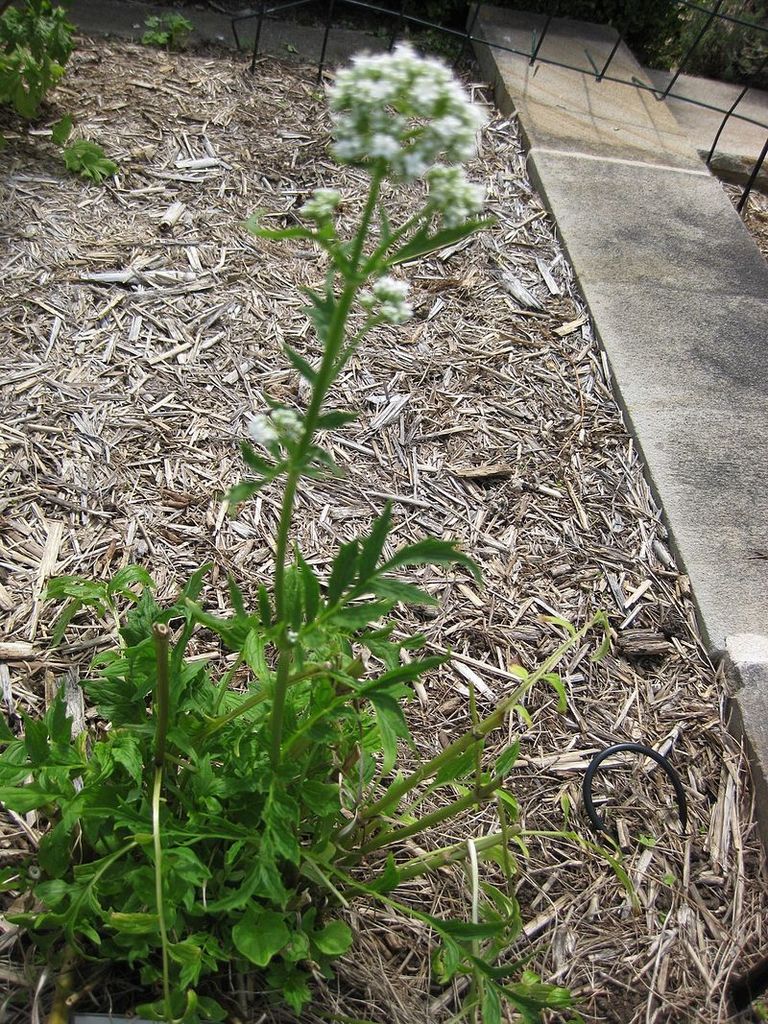
Quick facts
| Arabic name | اليانسون (الحبة الحلوة) |
|---|---|
| English name | Anise |
| Scientific name | Pimpinella anisum |
| Family | Carrot family (Apiaceae) |
| Plant type | Annual herb |
| Height | 30 to 60 cm |
| Water use | Low |
Planting and harvest calendar
Best time to plant
October to November
Harvest time
March to April
JanuaryFebruaryMarchAprilMayJuneJulyAugustSeptemberOctoberNovemberDecember
Planting timeHarvest or flowering
Times are general for the Saudi climate and may shift a few weeks by region: cooler in the highlands and the north, warmer on the coasts and in the south.
Description
A thin plant with round lower leaves, feathery upper leaves and small white flower clusters.
Where it grows
Grown in small areas in winter in Al-Qassim, Hail, Tabuk and Al-Jouf.
Soil
Needs light, well-drained soil.
Water and irrigation
Moderate watering.
Climate and light
Likes mild weather.
Propagation
From seeds sown directly.
Benefits and uses
- Fragrant seeds for tea and sweets
- Flowers attract bees
Drawbacks
- Slow at first
- Does not like transplanting
Sources and references
The information was collected and checked from these scientific sources:
- Plants of the World Online (POWO) - Royal Botanic Gardens, Kew: Pimpinella anisum
- Global Biodiversity Information Facility (GBIF): Pimpinella anisum
- Wikipedia: Anise
- FAO Crop Calendar - Food and Agriculture Organization
- Ministry of Environment, Water and Agriculture (MEWA)
- Royal Horticultural Society (RHS) - Plant finder